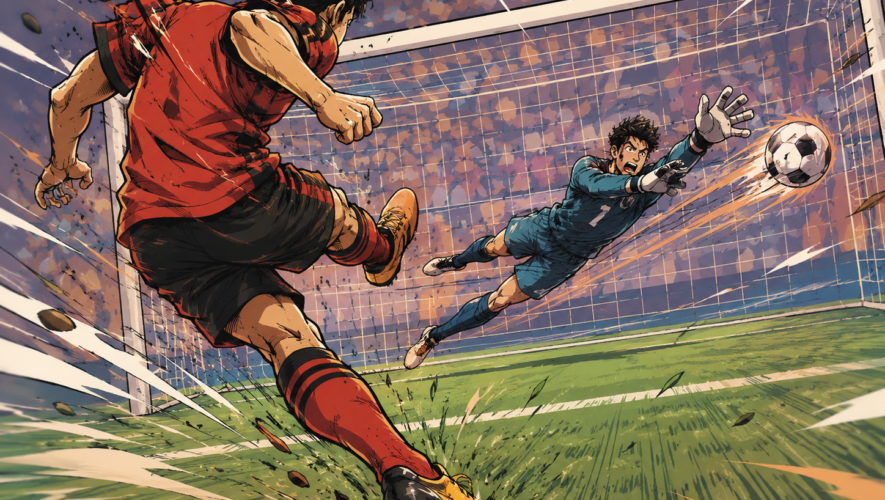
A penalty shootout would seem to put goalkeepers at a huge disadvantage, but with the right blueprint they can go from zero to hero in the blink of an eye, writes Simon Lewis.
When it comes to a penalty shootout the drama is enormous as missing a penalty puts massive pressure on your team-mates and, in particular, your own goalkeeper. After all, scoring a penalty is theoretically incredibly easy, and the stats back that up.
According to sport psychologist Dr Paul McCarthy, in professional football around 85% of spot kicks are converted during regulation play. Get to extra time and that number drops to 75% as the pressure mounts on the kickers, and even more so during the World Cup.
Should you stay or should you go?
The goalkeeper has a seemingly impossible task. The goal is big and their body takes up possibly just 15% of the total goal area when they are in a standing position. That’s why keepers become heroes when they save a penalty kick – the odds are so heavily stacked against them.
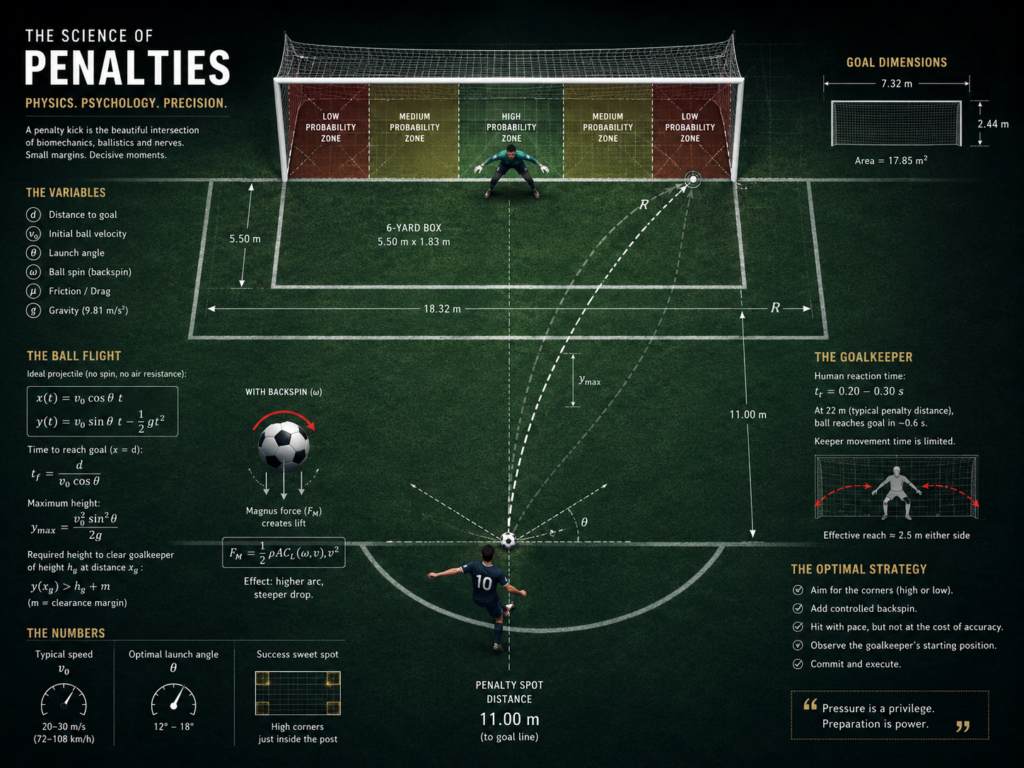
If the keeper dives before the kick is taken they have the best chance of reaching as far as possible towards their chosen corner, but if they dive the wrong way they are leaving most of the goal open. Waiting to spot which way the kicker will hit the ball by looking for clues in their body language or seeing which way their eyes are looking before they kick the ball gives the keeper an advantage, but you’re likely to be slightly late with your dive by waiting that split second longer. Dr McCarthy’s statistics reveal that professional goalkeepers who don’t dive early save around one-third of the penalty kicks they face (roughly 33%) as they are better placed to save kicks that aren’t angled into the corners. Keepers who dive before the kick save less than 15% of the penalties they face. Standing still is statistically your best option for saving a penalty.
Cut the percentages
There are certain kicks that the keeper cannot save even if they dive early… but what happens if they DON’T dive early? Firstly, it means that if the kicker tries a Panenka then it will be saved with ease. Hero time! Secondly, if the kick isn’t in the corner but is a few feet inside the post then the keeper diving late has a better chance of saving the kick compared to if they dived in the wrong direction. By not diving early the keeper can also almost guarantee that they will save most of the kicks aimed at around 60% of the goal. Those are pretty fine odds.
If this is the most important penalty you are facing in your career and you need to save it to keep your side in the World Cup (or to win it), why would you dive and give away over half of your goal to that crafty striker? Rather accept that if they hit it into the corner (if they can under all that pressure!) then they deserve to win as you have almost no chance of saving a kick like that anyway. Rather put them under pressure by forcing them to aim for a very, very small window of World Cup opportunity…
Measure for measure
A professional football goal is 24 feet wide, with each half measuring 12 feet wide. The keeper can easily block shots three feet to their left or right in a standing position, which means that the kicker’s target area on either side of the keeper is reduced to nine feet. Most professional keepers are probably six feet or taller, so if they wait for the kicker to shoot before they dive they should be able to save shots up to eight feet to their left or right. That leaves an area of roughly four feet for the kicker to aim for into either corner.
However, because they will want to keep the ball as far away from the keeper as possible, and because they don’t want to kick it too near to the post, that theoretically leaves them with a space of just two feet to “aim” for with their penalty kick. Suddenly the odds don’t sound quite so good for the kicker. The goal starts to look a whole lot smaller… and the World Cup trophy and national glory looks a whole lot closer.
Simon Lewis is the Editor of The Ball online sports magazine and the former features writer for SA Sports Illustrated.